Blog » Event Planning

Welcome to the Event Planning section of our blog! Here you’ll find all the articles we have that are related to Event Planning as a whole.  Obviously we’ll throw in some relevant info about Everwall, if it makes sense to do so.

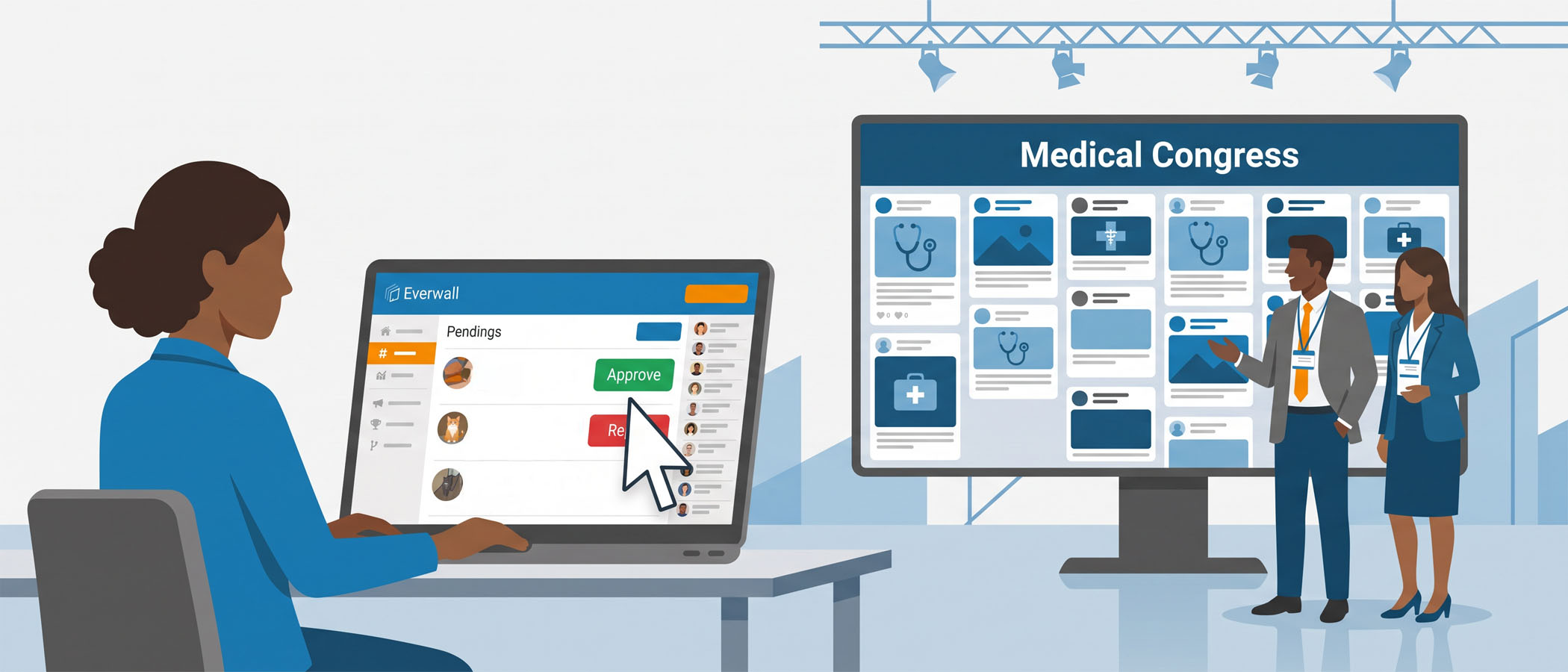
How to Get a Graduation Social Wall Approved (in One Meeting)

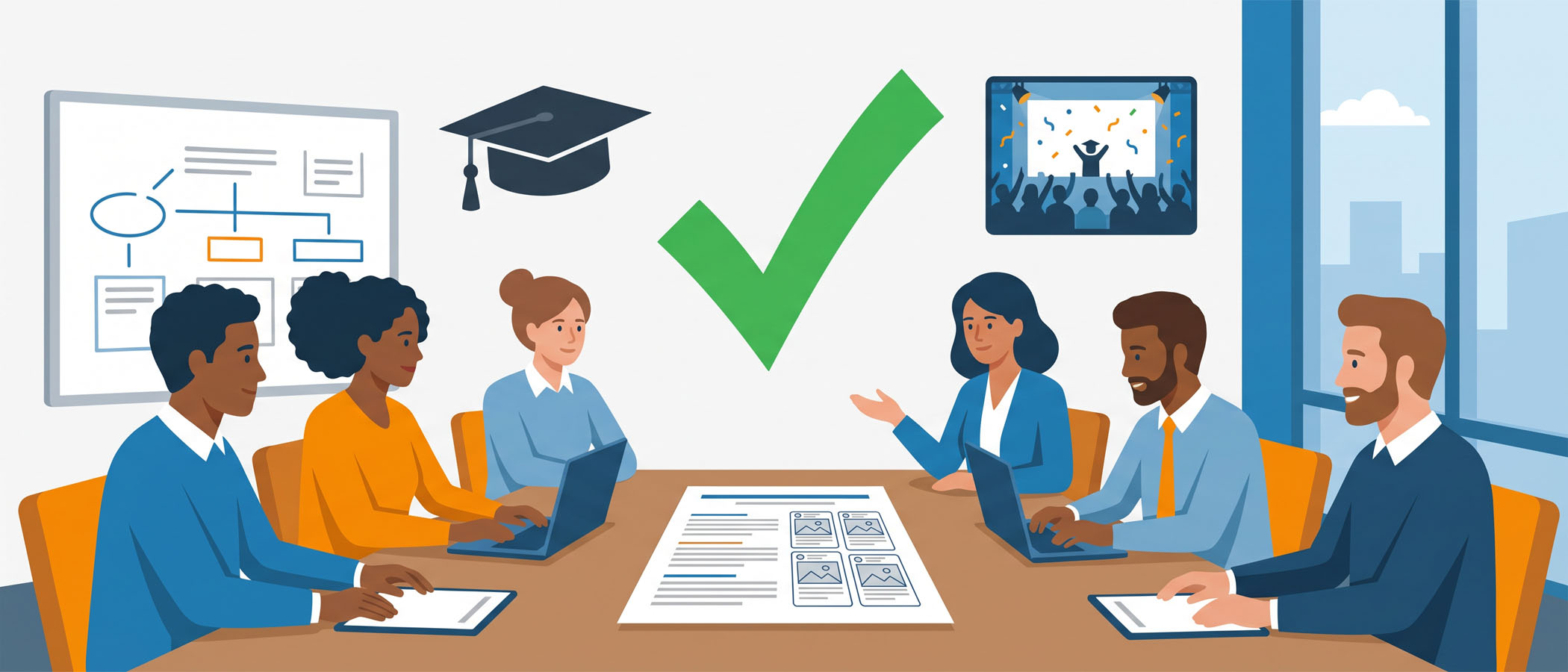
Most commencement committees walk into their first planning meeting assuming that any new technology means months of paperwork. Someone brings up an idea, and before the sentence is finished, another person mentions the request for proposal, the vendor review, and the budget cycle that closed weeks ago. The idea gets tabled, and the ceremony ends up looking a lot like last year’s.

That assumption is correct for big-ticket items. It is not correct for a graduation social wall. At the price point a social wall costs, adding one to your graduation ceremony often falls under your university’s micro-purchase threshold, which means it can go on a departmental card without a formal procurement process. If your committee holds its first meeting for a spring 2027 commencement this October, you have plenty of time to add one, and you can do it in a single meeting instead of a single semester.

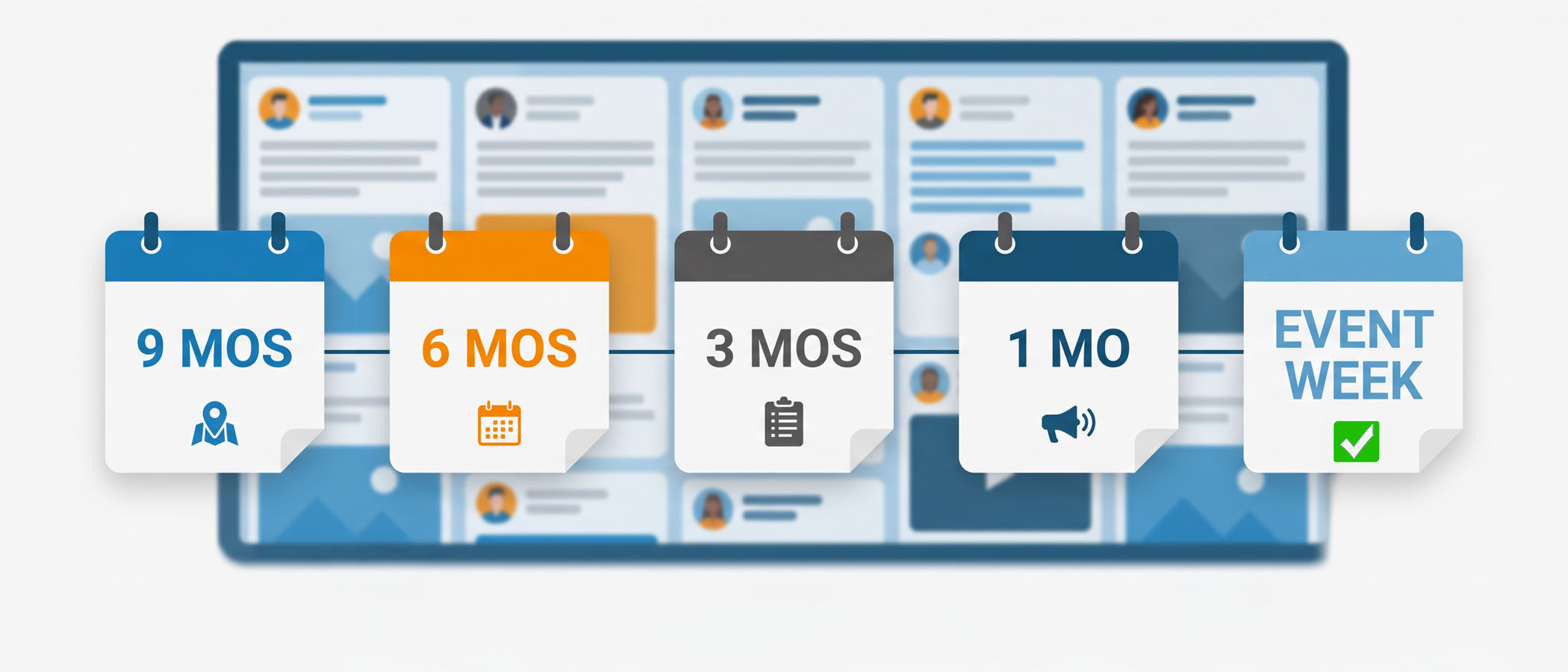
This article walks through the case for having a social wall at commencement in the first place, where it fits in your commencement planning timeline, who needs to say yes, what to bring to that October meeting, and how to handle the small amount of vendor paperwork that does come up.

Read more →

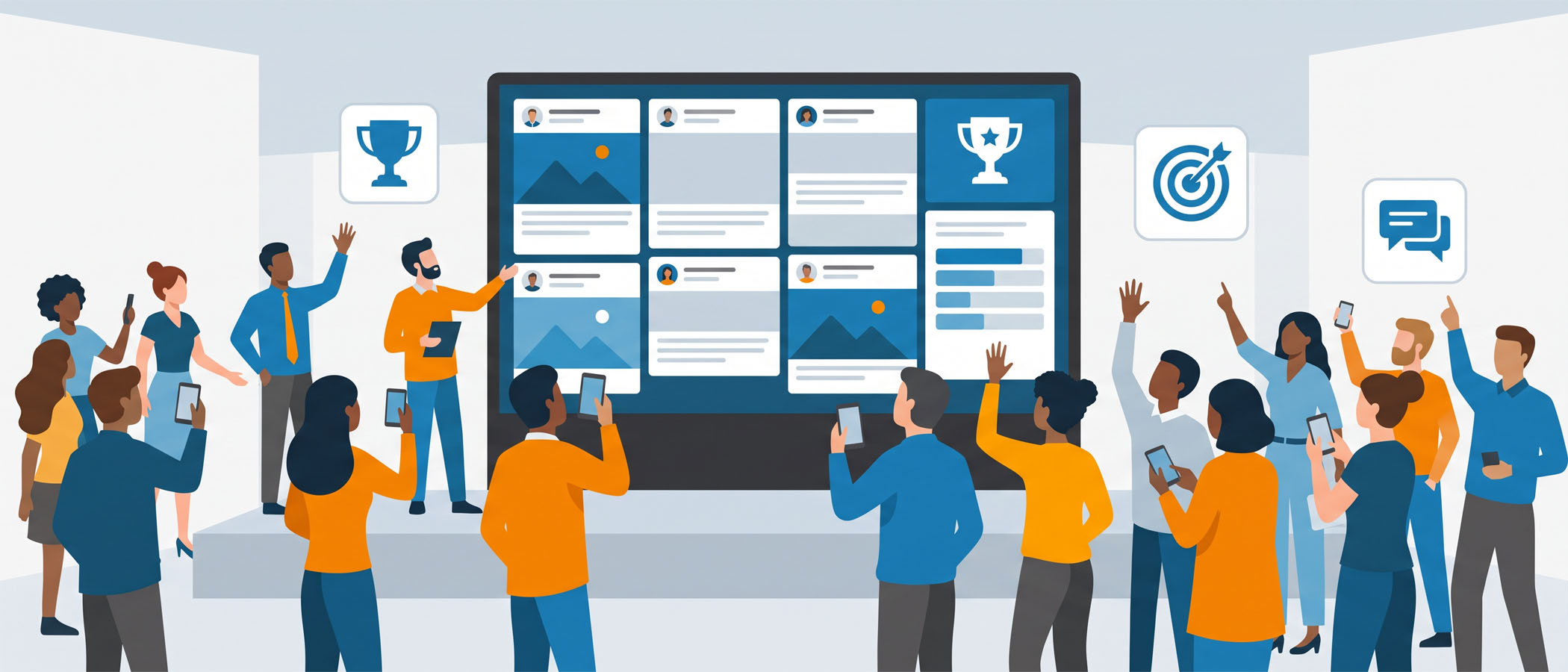
How to Put a Social Wall on the Big Screen at Winter Commencement

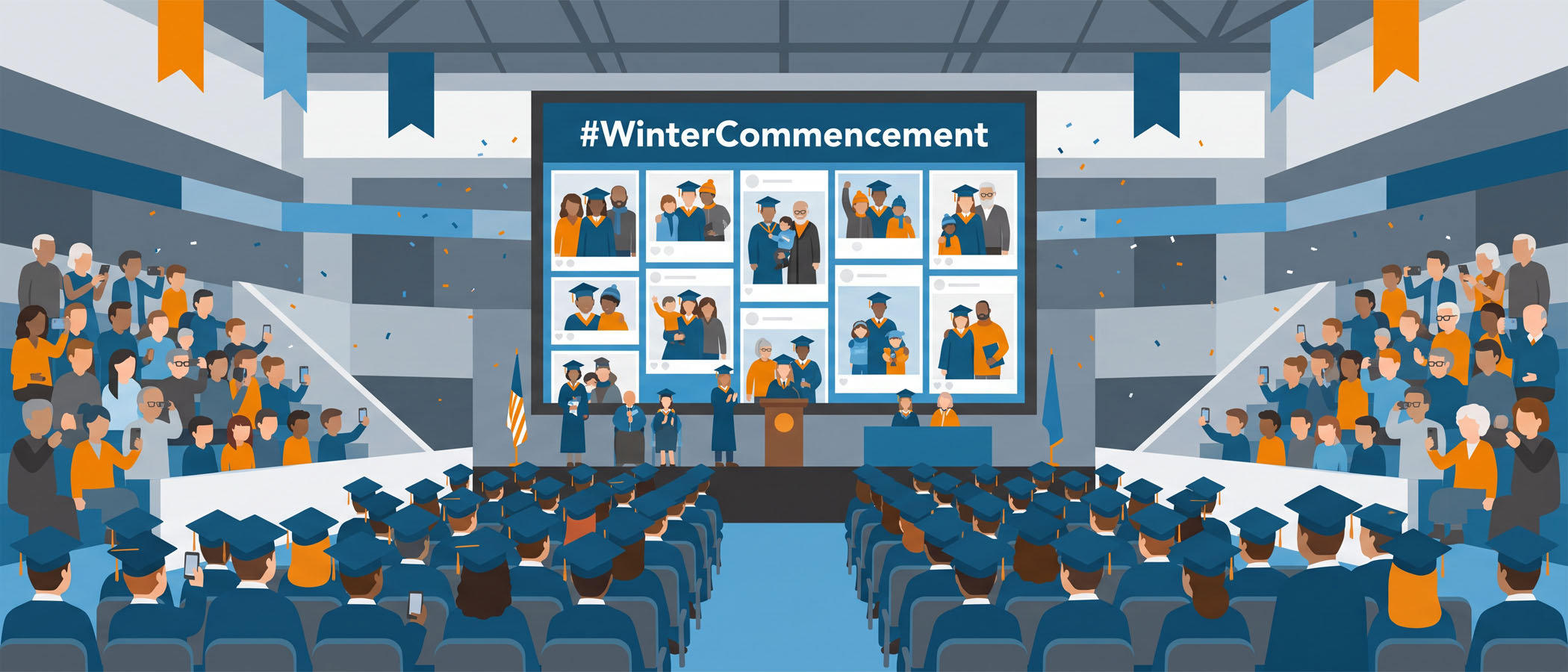
The lights dim, the graduates file in, and the arena screen usually shows the same static slide it has shown for the last twenty minutes. Meanwhile, families in the stands are already snapping photos, texting proud grandparents, and posting pictures of their graduate. All of that energy is happening on hundreds of phones, and none of it is on the screen everyone is looking at. A winter commencement social wall changes that. It pulls posts from families and graduates into one live feed and puts them on the big screen for the whole room to see. If you are the […]

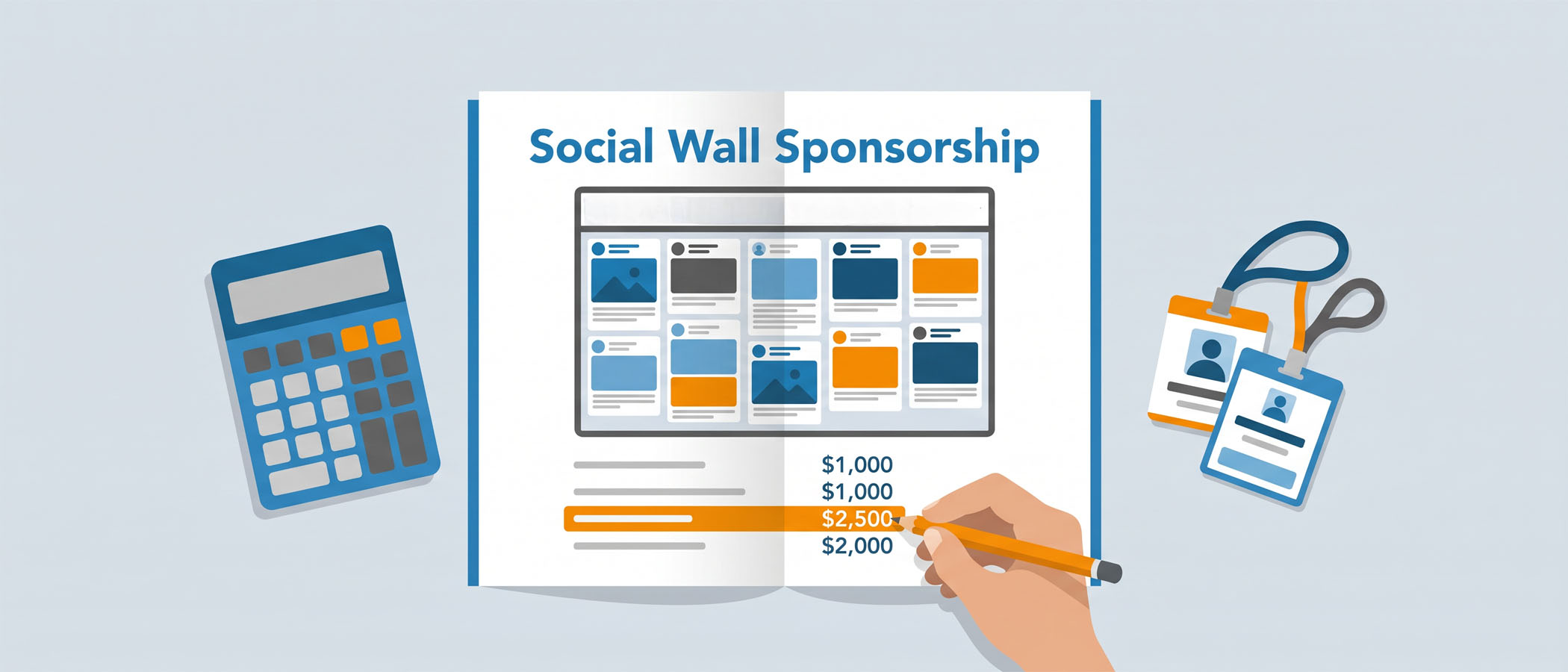
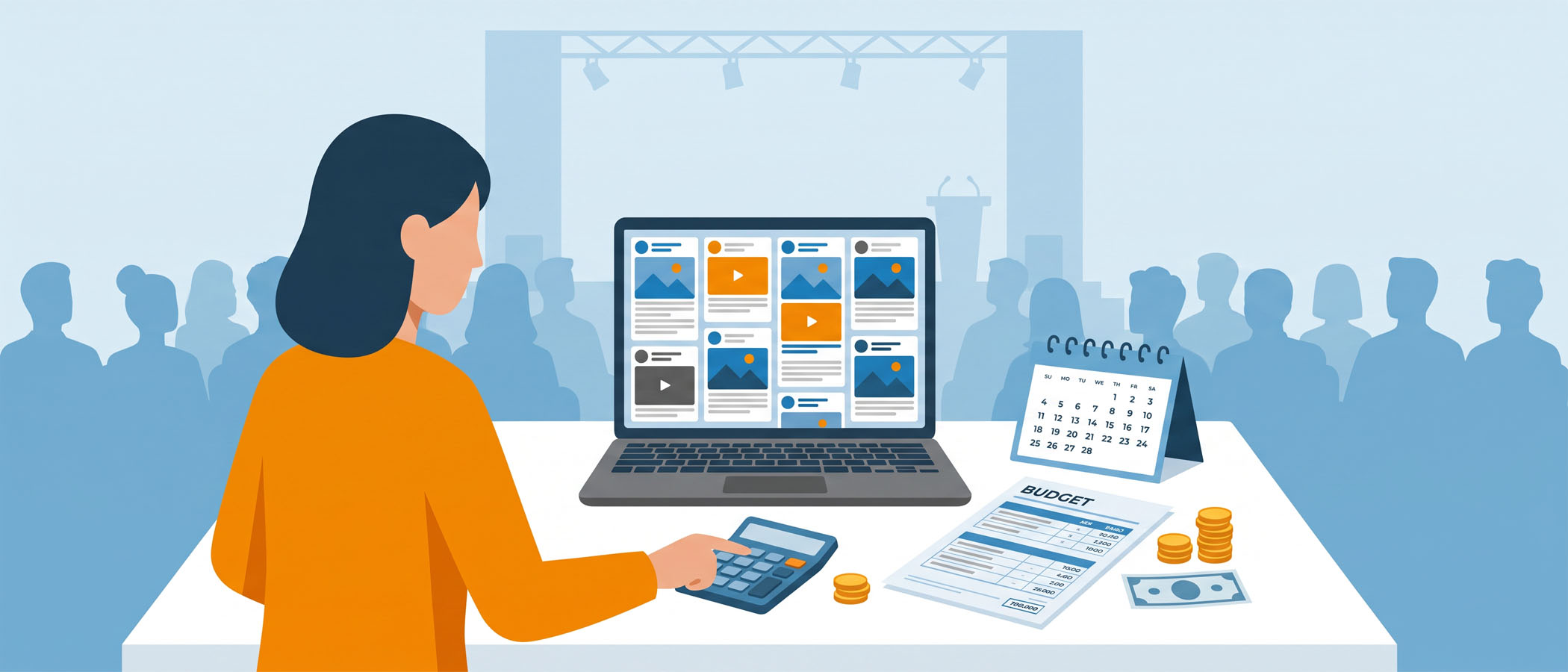
Social Media Wall Cost in 2026 and How to Budget for One

If you have ever tried to figure out the social media wall cost, you probably ended up more confused than when you started. One company shows a single event price. Another shows a monthly plan. A third one asks you to “contact sales” and never lists a number at all. It feels like every vendor is speaking a different language, and none of them make it easy to compare.

The good news is that social wall pricing follows a few simple patterns once you know what to look for. In this guide, we will walk through the three main ways these products are priced, what actually makes the price go up or down, and how much you should plan to spend based on the size and type of your event. By the end, you will know exactly which pricing model fits your situation and how to budget without overpaying.

Read more →

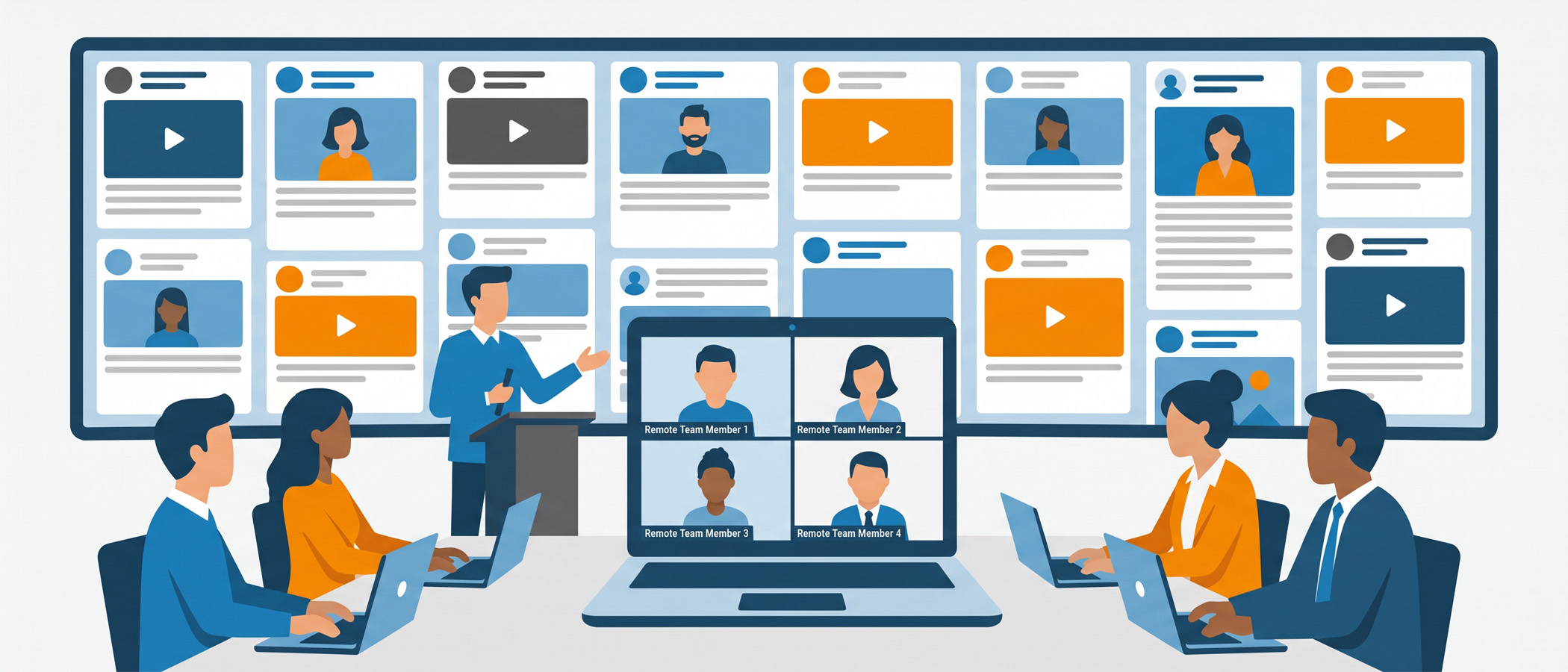
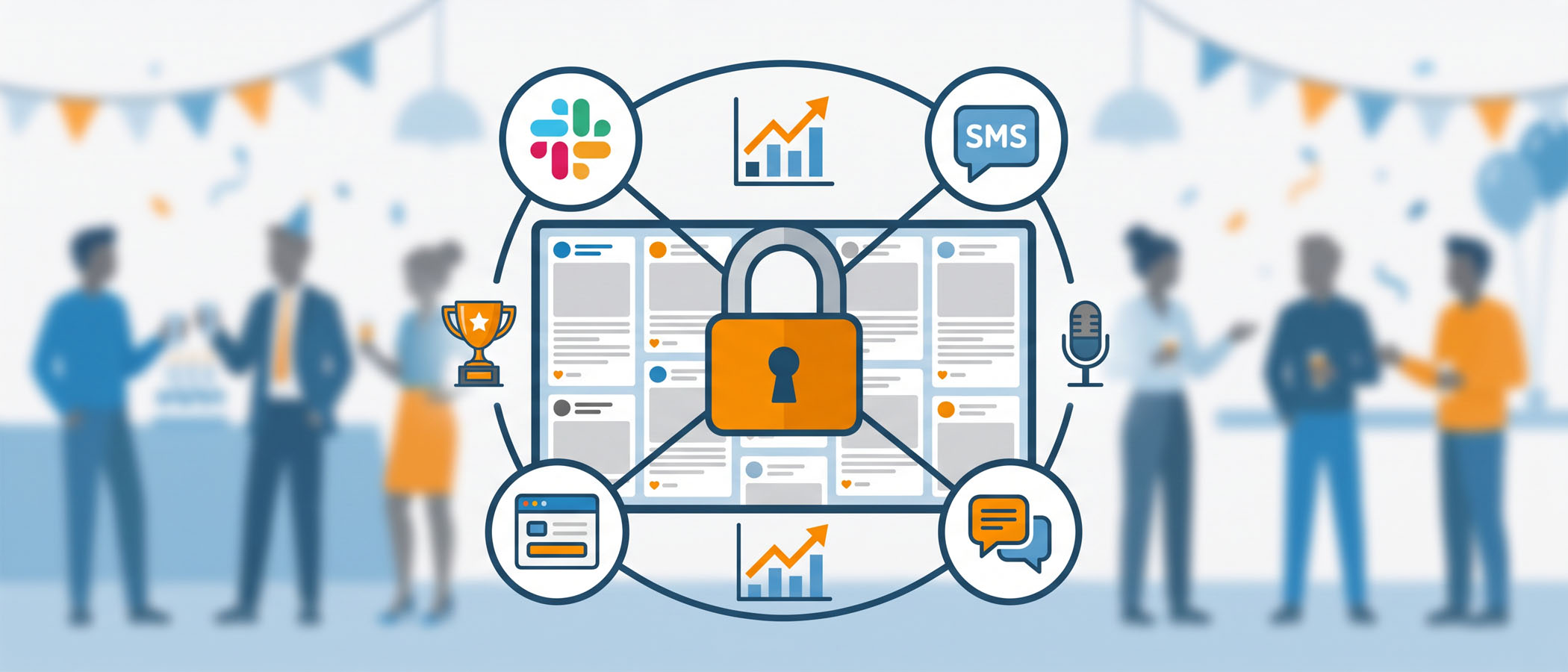
How to Add a Private Social Wall to Your Sales Kickoff (No Public Posting Required)

You spend months planning a sales kickoff. You book the venue, line up the speakers, and put together an agenda packed with product updates, awards, and big goals for the year. Then the general session starts, and the room feels flat. Reps sit and listen. The remote folks on the video call are somewhere between paying attention and checking email. Nobody asks the question everyone is thinking. The wins your top performers pulled off last quarter go unmentioned because there was no good moment to bring them up.

This happens at a lot of internal meetings, and it is not because your people do not care. It is because there is no easy way for them to speak up in a big room full of coworkers and leadership. So they stay quiet, and all that energy stays locked inside their heads.

Read more →

SKO Themes for 2027: Getting Your Sales Team AI Ready

Sales teams are already using artificial intelligence every single day, whether or not their company has an official plan for it. Reps use it to write emails, research prospects, prep for calls, and clean up notes after a meeting. So when you sit down in Q4 2026 to plan your next sales kickoff, the biggest question is not whether AI belongs in your program. It already does. The real question is how you help your team use it well without losing the trust and judgment that close deals.

That is what makes AI readiness one of the smartest directions for SKO themes in 2027. It feels current, it speaks to what reps are actually doing, and it gives your leadership a reason to bring everyone into the same conversation. Below, we will walk through why this theme works, why people still matter more than software, specific theme names you can use, and how to build a full day around the idea.

Read more →

Sales Kickoff Ideas to Get Employees Engaged

Most sales kickoffs follow the same pattern. Leadership presents the new numbers, product teams walk through updates, and enablement runs a few sessions on the latest playbook. Reps sit, watch, and clap when they are supposed to. By lunch on the first day, half the room is checking email under the table.

It does not have to go that way. The best sales kickoff ideas give your team clear, low-pressure ways to join in, share what they know, and feel like part of the plan instead of an audience watching it happen. This article covers why so many SKOs feel flat, what real engagement looks like, and specific activities you can use before, during, and after the meeting.

Read more →

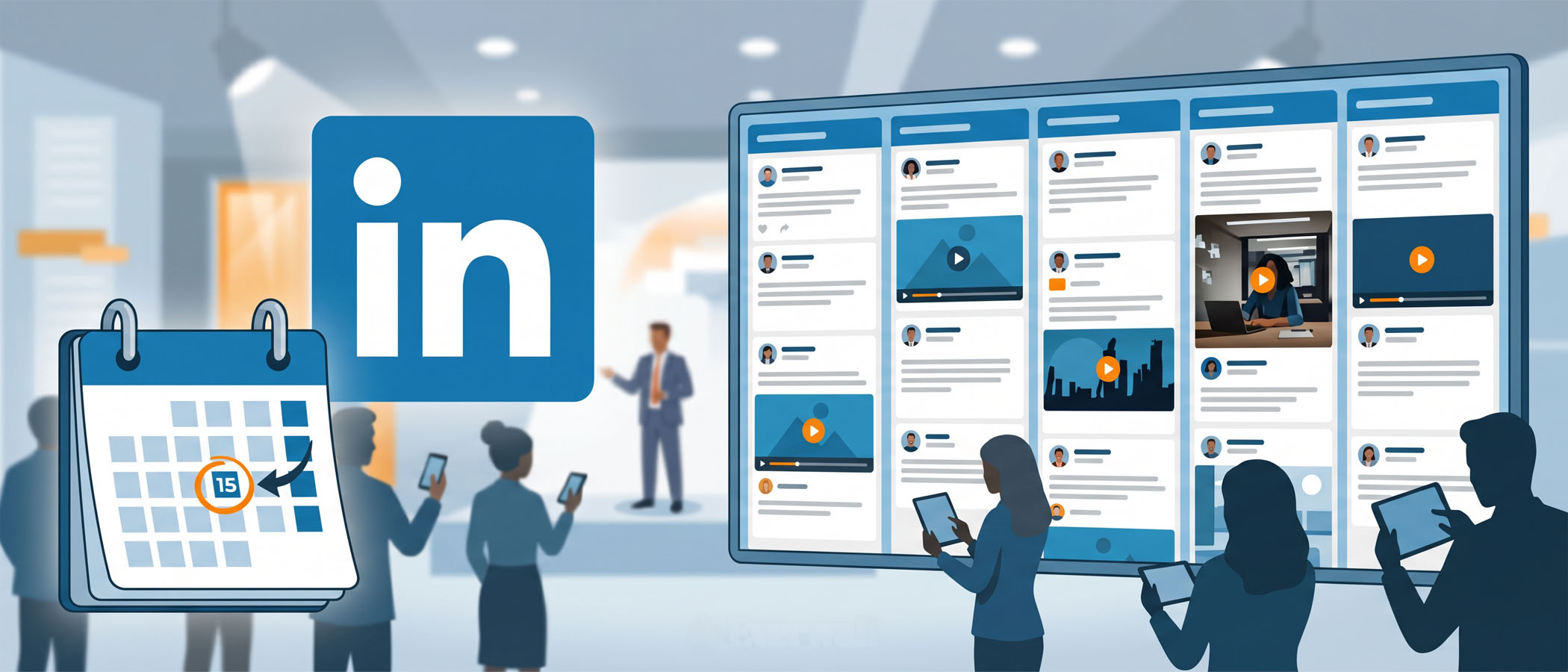
LinkedIn Event Marketing Strategy for 2026 (Creator-Led Events)

Most people promote events on LinkedIn the wrong way. They post a graphic with the date, time, and a registration link, then wait for sign-ups that never come. The post sits there with two likes and zero comments, and they assume LinkedIn just doesn’t work for events.

The problem isn’t LinkedIn. It’s the approach. LinkedIn doesn’t reward flyers. It rewards people who say something worth talking about. The accounts filling rooms in 2026 aren’t running ads or posting digital posters. They’re sharing opinions, telling stories, and starting conversations that pull people toward the event naturally.

This article walks you through a LinkedIn event marketing strategy built for how the platform actually works right now. You’ll get a posting structure, a way to write posts people respond to, a comment plan, and a simple two-week launch schedule you can copy.

Read more →

AI for Social Wall Management with Everwall’s MCP Server

Running a social wall during a live event means juggling a lot at once. You are watching posts come in, deciding what to approve, pinning the moments that matter, and updating the room on what happens next. All of that happens while the event is moving fast around you. Now imagine describing what you want in plain words and having an AI tool help you get it done, without giving up any control over what actually shows on screen.

That is where AI for social wall management can make a real difference. Everwall’s new MCP server makes possible. This article walks through what it does, how it works, and why it matters for the people who keep events running.

Read more →

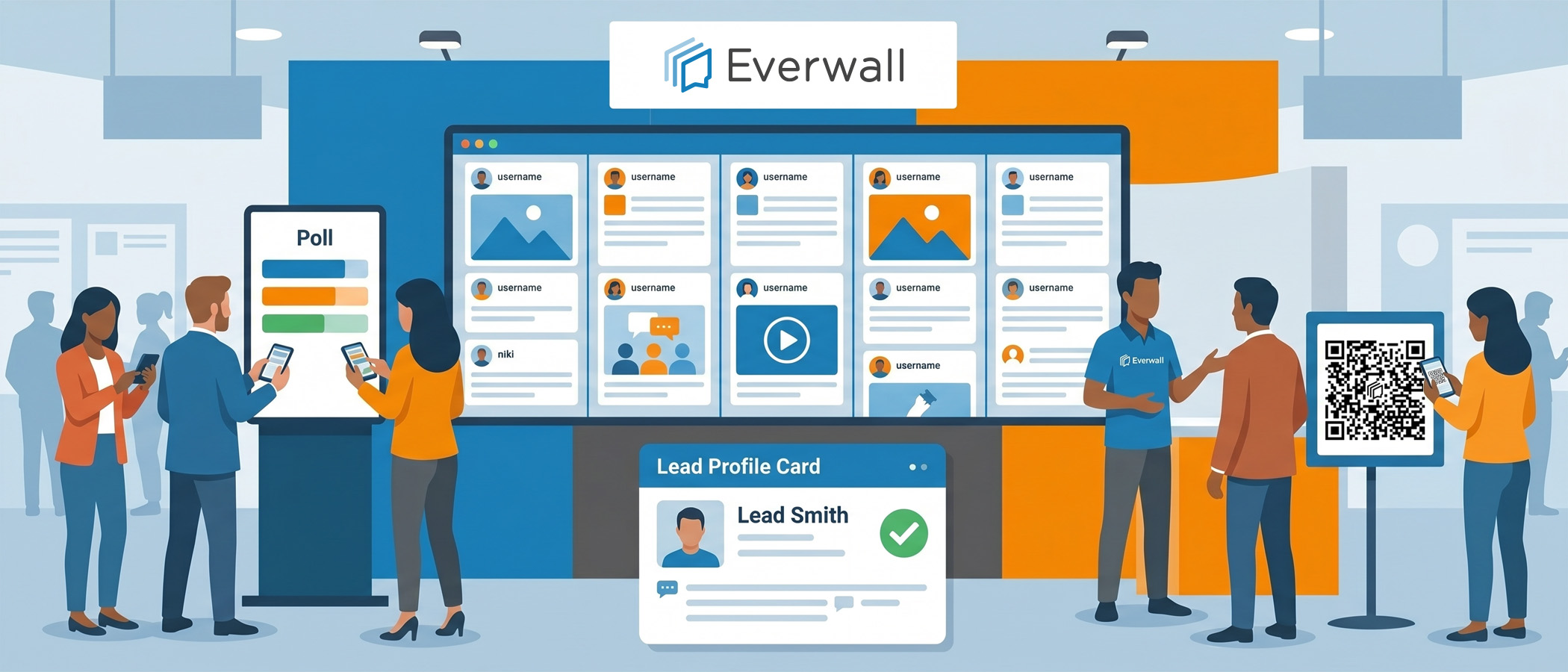
Trade Show Lead Capture Strategies That Convert in 2026

You spent thousands of dollars to be at the show. You paid for the booth, the travel, the shipping, and the staff. At the end of it all, you walk away with a stack of scanned badges and a spreadsheet full of names. Then two weeks later, your sales team tells you almost none of those “leads” answered a call or an email.

This happens more often than most exhibitors want to admit. The problem usually is not the number of leads. It is the quality of them. A badge scan tells you someone stood near your booth long enough to get scanned. It does not tell you if they cared, what they needed, or whether they will ever remember talking to you.

Read more →

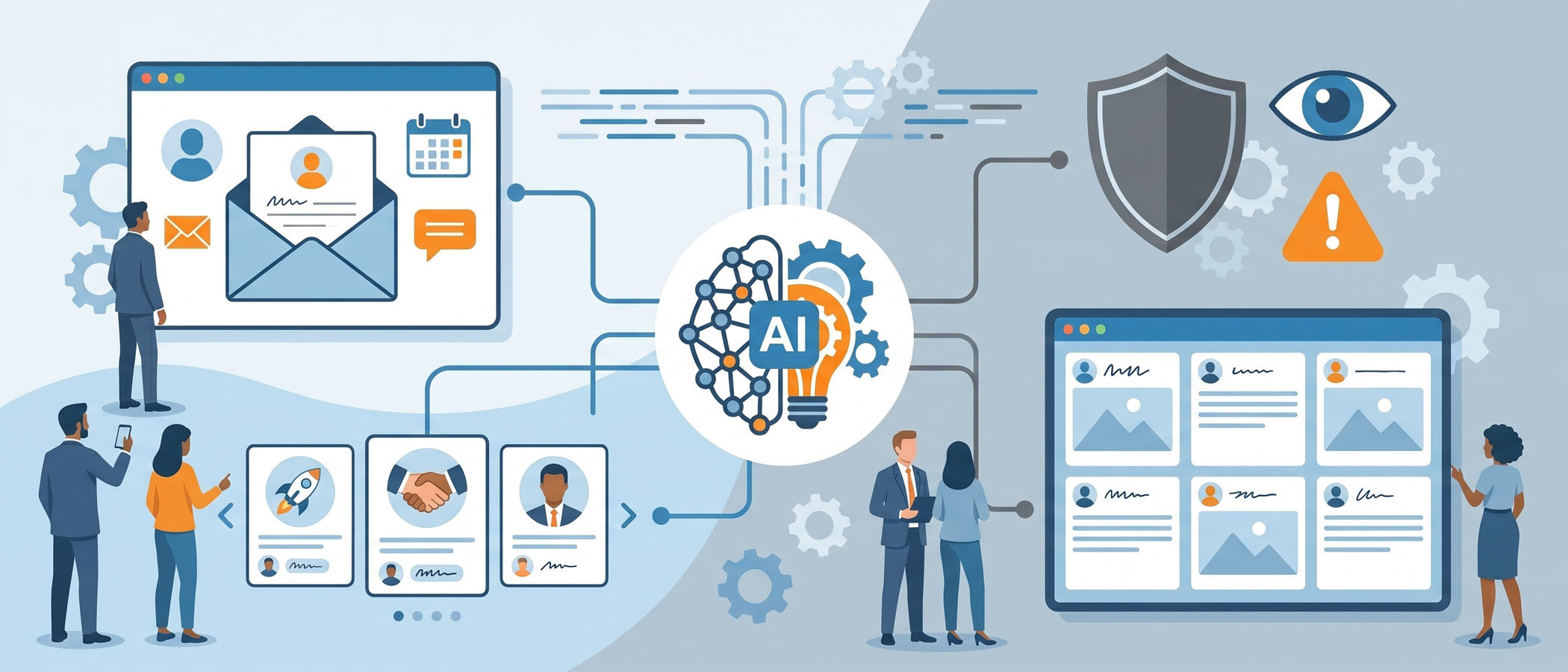
AI Personalization in Event Marketing

Imagine signing up for a conference. Before you even arrive, an email greets you by name, suggests three sessions based on your job title, and reminds you about a networking lunch you might like. That feels helpful. Now imagine that same email mentions the coffee shop you visited that morning, references a private message you sent a colleague, and predicts who you’ll want to avoid at the after-party. Suddenly it feels like someone has been watching you.

That gap between helpful and unsettling is the whole challenge with AI personalization in event marketing. The tools have gotten very good at predicting what people want. The hard part is knowing when to use that power and when to hold back. This article walks through how event planners can use AI to make experiences better while keeping the trust of the people who show up.

Read more →

Trade Show Engagement Ideas to Boost Booth Traffic

Trade shows are strange environments. Thousands of people walk past your booth every hour, but most of them barely glance your way. They’re juggling conversations, scanning for specific vendors, checking their phones, and trying to remember where they parked. Their attention is fragmented by design.

This creates a problem that many exhibitors misunderstand. They focus on getting more foot traffic when the real challenge is converting passing glances into interactions. A busy expo floor can feel productive, but if attendees aren’t stopping, talking, or participating, those numbers don’t translate into leads or sales.

Read more →

AI in Events: What It Can’t Replace

Artificial intelligence is changing events faster than most people expected. Planners can now write marketing copy in seconds, generate event descriptions overnight, and produce social media posts by the dozens. AI tools can summarize session content before a speaker finishes talking. They can create personalized schedules for thousands of attendees without human input.

This shift has clear benefits. Tasks that once took hours now take minutes. Small teams can produce content at a scale that used to require entire departments. The barrier to entry for creating polished event materials has dropped significantly.

Read more →

How to Use Your Event Agenda to Drive Participation

You’ve spent months planning an event. The speakers are ready. The venue looks great. The hashtag is catchy. But when you look around the room, most attendees are checking their phones, staring blankly at the stage, or quietly chatting with the person next to them. Almost nobody is posting. Nobody is asking questions. The energy feels flat.

What went wrong?

In most cases, the problem isn’t your content or your audience. It’s confusion. Attendees don’t participate because they don’t know when they’re supposed to, what they’re supposed to do, or if their contribution even matters. This is where your event agenda becomes more than a schedule. When designed with intention, your agenda can guide attendees toward specific moments of engagement throughout the day.

This article will show you exactly how to use an event agenda to drive participation by building engagement prompts directly into your schedule.

Read more →

Getting Event Attendees to Post Without Social Media

You set up a beautiful screen for your social wall. The hashtag for your event has been created. You told everyone about it during the opening remarks. And then… nothing. The screen sits there, showing the same three posts from your own team members while hundreds of attendees scroll through their phones, completely unaware they could be part of the experience.

This happens more often than most event planners want to admit. The technology works fine. The problem is that participation requires too many steps, too much public exposure, and too much effort for most people to bother. It’s why more planners are looking for social walls that let attendees submit content directly—through a QR code, a web form, or both—without needing a social media account at all.

Read more →

Event Engagement Checklist for Planners

Walk into any event, and you’ll see the same thing: some attendees are leaning in, taking photos, asking questions, and sharing on social media. Others are checking their phones, watching the clock, or mentally planning their escape. What separates these two groups? It’s not the content. It’s not even the venue. The difference is whether someone deliberately planned for engagement or simply hoped it would occur. Most event planners spend weeks coordinating logistics. They confirm catering, arrange seating, schedule speakers, and test audiovisual equipment. But engagement? That often gets treated as an afterthought. Something that should just emerge naturally when […]

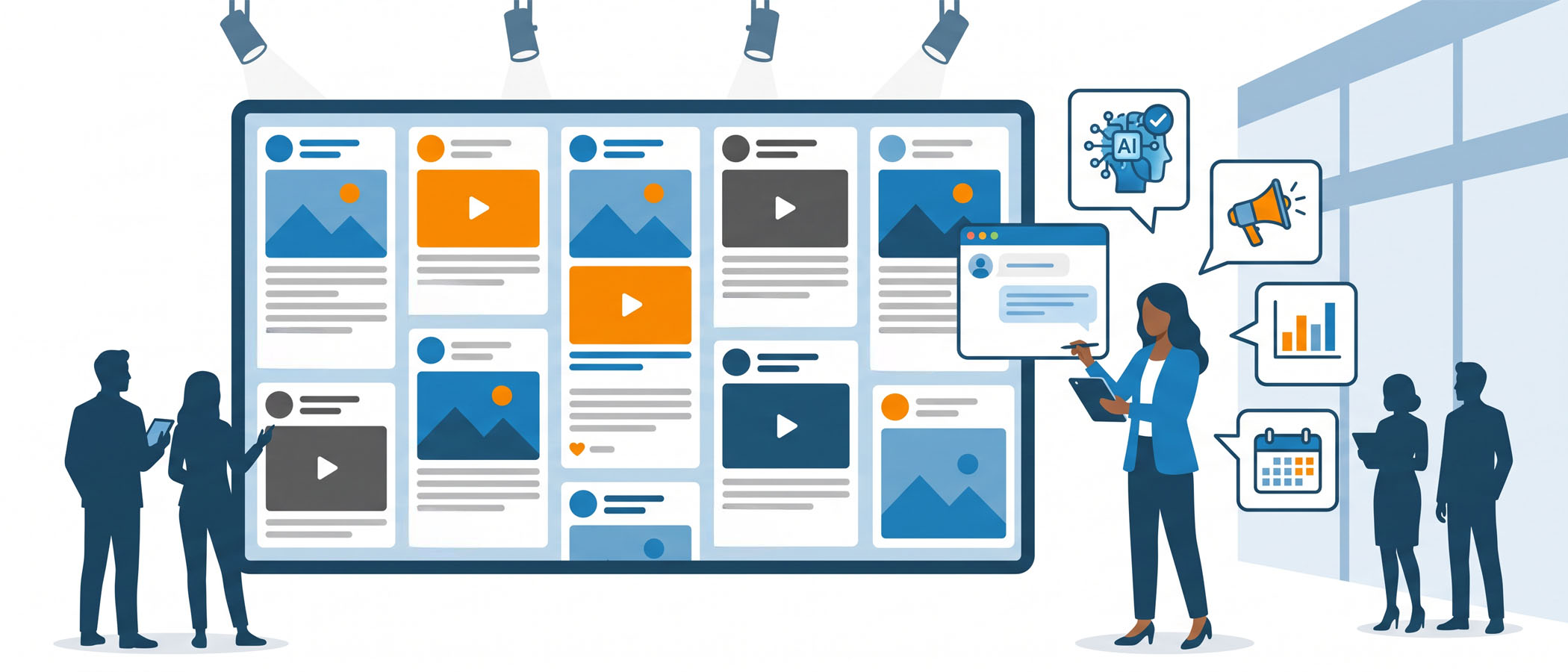
Social Wall Content Ideas That Get People to Participate

You set up the screens. You created the hashtag. Then, you even tested everything the night before. But when the event started, your social wall sat there showing the same three posts for hours. Sound familiar? Empty social walls are one of the most common problems event planners face, and they rarely have anything to do with technical issues. The real culprit is almost always the same: you gave attendees a place to post, but you never gave them a reason to. A social wall does not create engagement just by existing. It needs to be highly visible and have […]

Event Gamification vs Audience Engagement: What Actually Makes People Participate

When event planners first discovered gamification, it felt like a breakthrough. Add a leaderboard. Create a points system. Watch the numbers climb. Suddenly, you had visible proof that your audience was doing something. The appeal made sense. Event gamification gave organizers something they desperately wanted: measurable activity. You could see who posted the most, who earned the most badges, and who climbed to the top of the rankings. Sponsors loved it because they could attach their logos to high-visibility competitions. Planners loved it because it looked like engagement. And for a while, that seemed like enough. Points-based systems spread quickly […]

Social Media ≠ Engagement (And Events Keep Confusing the Two)

Here’s a scenario that happens at almost every conference, trade show, and corporate event: organizers put up screens showing a hashtag feed, encourage attendees to post, and then count the resulting social media activity as “engagement.” The more posts, the more successful the event seems. But what if that math is completely wrong? What if all those likes, shares, and hashtag mentions are measuring something entirely different from actual engagement? And what if the focus on social media metrics is actually excluding huge portions of your audience from participating at all? The events industry has quietly accepted a flawed definition […]

The Engagement Gap

The venue was stunning. Speakers nailed their presentations. Catering delivered on time, and every logistical detail fell into place. By any reasonable measure, your event was a success. However, when the post-event surveys roll in, a different picture begins to emerge. The average score? A respectable 7.5 out of 10. Comments like “it was good” and “enjoyed the sessions” fill the feedback forms. But something’s missing. Nobody’s posting about it on social media. Attendees aren’t asking when the next one is. The event came and went without leaving much of a mark. This is the Engagement Gap: the space between […]

The Complete Guide to Conference Engagement Tools (2026 Edition)

Planning a conference that attendees actually remember feels harder every year. People expect more than just speakers and slides. They want experiences worth talking about, connections that matter, and reasons to put down their phones instead of scrolling through them.

The good news is that conference engagement tools have caught up with these expectations. The challenge is knowing which ones actually work and how to use them without overwhelming your team or blowing your budget. This guide breaks down the categories that matter, what to look for in each, and how to make smart decisions that improve your event without adding unnecessary complexity.

Read more →