


Graduation Engagement: How Schools Can Turn Ceremonies into Shared Experiences
Last Updated on February 10, 2026
Graduation engagement matters more than you might think. Every spring, millions of families pack into auditoriums, stadiums, and outdoor venues to watch someone they love walk across a stage. For most, it takes less than ten seconds. A name is called, a diploma is handed over, and the moment passes.
But those ten seconds represent years of effort. Late nights studying. Tough decisions. Growth that parents, grandparents, and friends witnessed from a distance. When graduation day finally arrives, these families want more than a seat with a decent view. They want to feel like they are part of the moment, not just observing it.
Schools spend months planning graduation ceremonies. They coordinate speakers, arrange seating, rehearse logistics, and manage countless details. Yet many overlook one critical element: how to make everyone in attendance feel genuinely connected to what is happening on stage.
This is where graduation engagement comes in. It is not about adding flashy technology or disrupting time-honored traditions. It is about finding thoughtful ways to include students, families, and communities in a shared experience that honors the milestone without pulling focus from the graduates themselves.
The Problem with One-Way Graduation Ceremonies
Traditional graduation ceremonies follow a familiar pattern. Guests arrive, find their seats, and watch. A procession begins. Speeches are delivered. Names are read. Everyone claps politely. The ceremony ends.
For the graduate, this format works fine. They are the center of attention, surrounded by their classmates, participating in a ritual that marks their achievement.
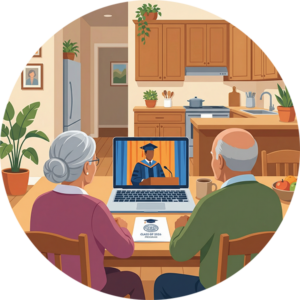 For everyone else, the experience can feel passive. Families sit in rows, sometimes hundreds of feet from the stage, straining to see their graduate’s brief moment in the spotlight. Remote attendees watching via livestream often feel even more disconnected, reduced to tiny viewers on a screen thousands of miles away.
This creates what some educators call the engagement gap. The ceremony happens to the audience rather than with them.
Common Frustrations at School Graduations
- Families struggle to photograph their graduate from far-away seats
- Grandparents or relatives who cannot attend miss the moment entirely
- Remote viewers have no way to participate beyond watching
- The emotional energy in the room stays bottled up, with no outlet for expression
- Ceremonies feel long because audiences have nothing to do but wait
None of these problems require dramatic solutions. Schools do not need to reinvent graduation or abandon tradition. They simply need to create small opportunities for families and communities to participate in meaningful ways.
What Participation Actually Looks Like at Graduations
When people hear “audience participation,” they often imagine something disruptive. Shouting. Interruptions. Chaos.
Graduation engagement looks nothing like that.
Real participation at school events means giving families a way to express pride, share memories, and feel seen without taking the spotlight away from the graduates. It means creating channels for involvement that enhance the ceremony rather than competing with it.
Messages and Congratulations
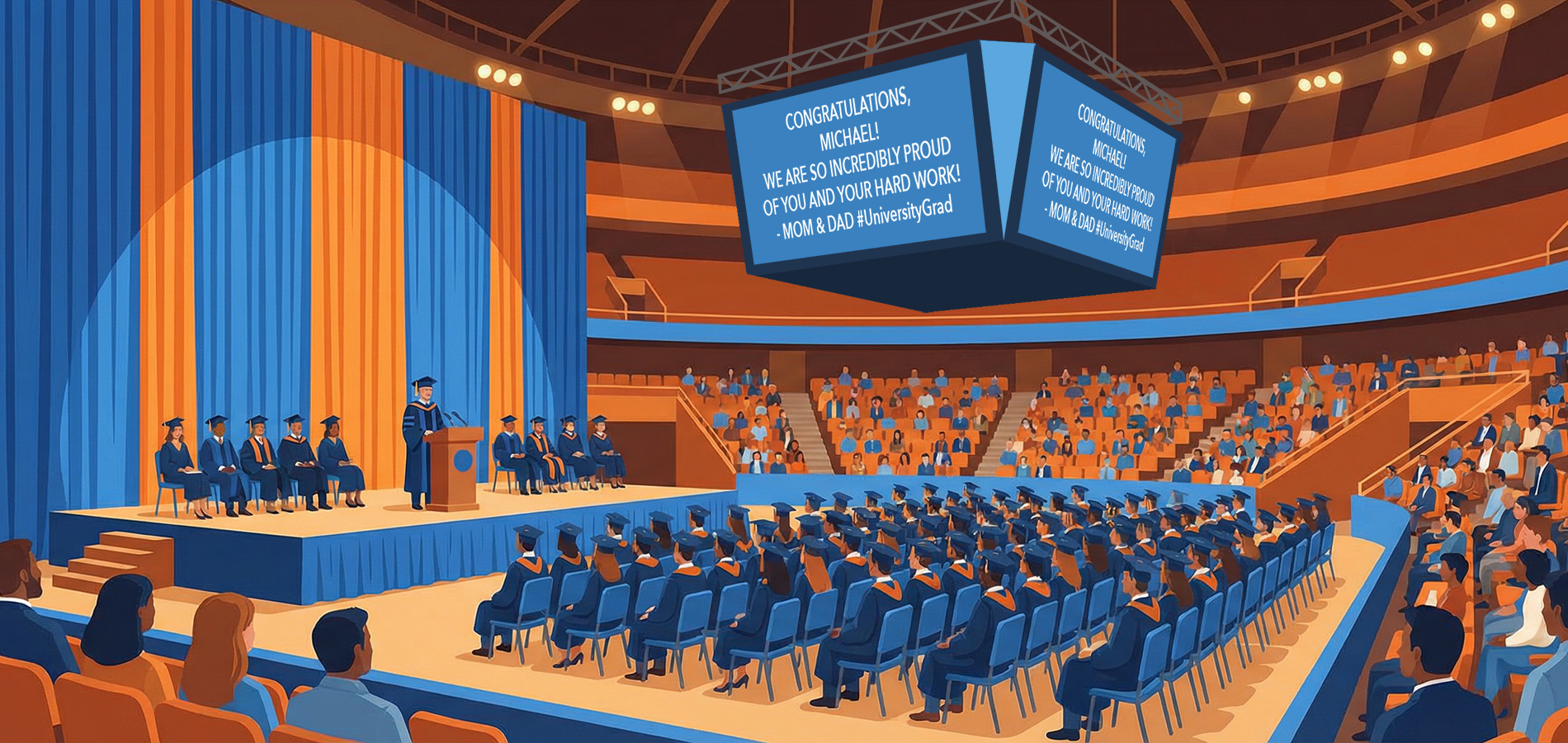
One of the simplest forms of graduation engagement is allowing families to submit congratulatory messages. A parent might write a few sentences about how proud they are. A sibling could share an inside joke. A grandparent watching from another state might send words of encouragement.
When these messages appear on screens around the venue, they add a layer of warmth to the proceedings. Graduates glance up and see that their family contributed something personal. The audience notices names they recognize and realizes that their own message might appear next.
Photos and Memories
Families arrive at graduations with cameras ready. They take photos constantly. Giving them a place to share those photos, where others can see them in real time, turns individual snapshots into a collective album.
This might mean displaying photos on screens in the lobby before the ceremony. It could involve projecting them during intermissions or after the event concludes. Some schools create digital galleries that families can access later, preserving the day’s memories in one place.
Shared Reactions
Watching your child’s name get called is emotional. Having a way to share that emotion with others, even strangers in the same room, creates a sense of community. Some schools use hashtags that allow families to post reactions on social media, which then appear on displays throughout the venue.
This type of participation does not require anyone to stand up, shout, or draw attention to themselves. It simply opens a door for people who want to express what they are feeling.
How Schools Are Creating Inclusive Graduation Experiences
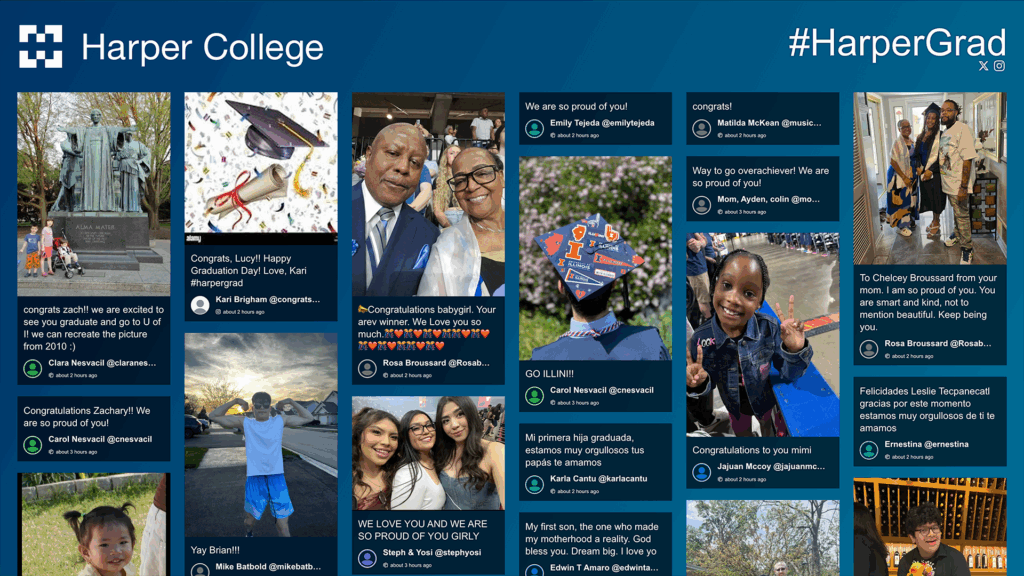
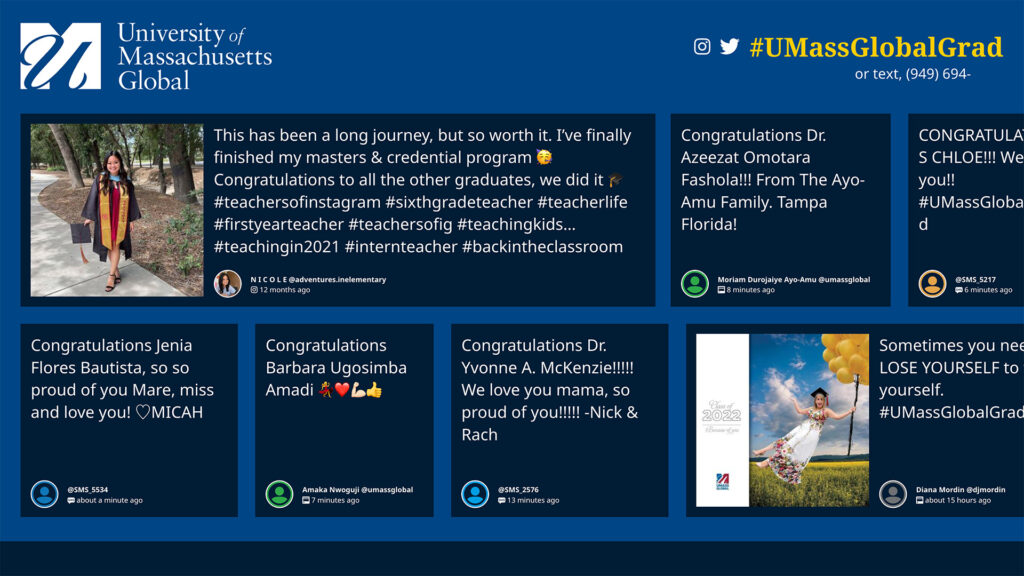
Many schools have started using event social walls to bring graduation engagement to life. These displays collect content from multiple sources, including social media posts, text messages, and direct submissions, and show them on screens in real time.
Everwall is one platform that schools use to create these shared experiences. Families can post photos or messages using a specific hashtag, submit content through a simple web form, or even send a text. The content appears on screens around the venue, moderated to ensure everything stays appropriate.
What makes this approach work for graduations is its flexibility. Participation is always optional. Families who want to contribute can do so easily. Those who prefer to simply watch the ceremony are not pressured to post anything.
Schools can customize these displays to match their branding, showing school colors, logos, and even sponsor messages if applicable. The technology works with existing audiovisual setups, so there is no need for expensive new equipment.
Including Remote Attendees
For families who cannot attend in person, social walls create a connection that livestreams alone cannot provide. A grandmother watching from another country can submit a message that appears on screens inside the auditorium. An older sibling deployed overseas can share a photo. The graduate sees these contributions and knows their entire extended network is celebrating with them.
Some schools embed the social wall directly on their graduation webpage, allowing remote viewers to see the same content as those in the venue. This creates a unified experience regardless of physical location.
Benefits for Schools Beyond the Ceremony
Graduation engagement is not just about making one day more memorable. Schools that invest in these experiences often see lasting benefits.
Stronger Community Connection
When families feel included in important events, their connection to the school deepens. Parents who felt like passive observers at graduation may become more engaged in alumni activities, fundraising, or future school events. They remember the ceremony as something they participated in, not just something they attended.
Authentic Content for Marketing
The photos and messages submitted during graduation create a library of authentic content. With proper permissions, schools can use these images in recruitment materials, on social media, or in alumni communications. This content resonates because it comes from real families expressing genuine emotion.
Easier Event Planning for Future Ceremonies
Once schools implement engagement tools for graduation, they often discover applications for other events. Homecoming, sports championships, and award ceremonies all benefit from the same approach. Schools can standardize their process and make audience participation a regular part of how they host major events.
For more ideas on school events, see our article on social walls for education.
Practical Tips for Planning Graduation Engagement
If your school is considering adding participation elements to graduation, here are some practical considerations.
Start Simple
You do not need to implement every possible engagement feature at once. Begin with one or two options, such as a congratulatory message wall or a photo hashtag. See how families respond before expanding.
Communicate Clearly
Let families know ahead of time how they can participate. Include instructions in the graduation program, on the school website, and in email communications. Tell them the hashtag, explain how to submit messages, and make sure they understand that participation is optional.
Plan for Moderation
Any public-facing display needs moderation. Set up approval workflows so that inappropriate content never appears on screen. Most platforms, including Everwall, offer moderation tools that make this process straightforward.
Consider Placement
Think about where screens will be located. Displays in the lobby work well for pre-ceremony content. Screens visible to the audience during the ceremony should show content that complements rather than distracts from what is happening on stage.
Test Before the Event
Run through the entire process before graduation day. Submit test posts, check that moderation works correctly, and verify that displays function as expected. Technical problems during the ceremony can undermine the entire effort.
The Heart of Graduation Engagement
Graduations are among the most emotionally powerful events schools host each year. Families travel great distances. They take time off work. They bring cameras and tissues and expectations built over years of watching their student grow.
These families deserve more than a seat in the back row. They deserve to feel like they are part of something, connected to the other families around them and to the graduates walking across the stage.
Graduation engagement does not require more production value or bigger budgets. It requires intention. It requires asking how families can contribute to the moment rather than simply witness it.
Schools that answer this question create ceremonies that people remember not just because their graduate’s name was called, but because they felt seen, included, and connected to something larger than themselves.
The best graduations are not performances. They are shared experiences. And shared experiences require participation from everyone in the room.
Ready to create a graduation ceremony that families will remember? Everwall’s event social walls make it easy to display messages, photos, and reactions from students and families in real time. Whether your guests are in the auditorium or watching from across the country, Everwall helps everyone feel like part of the celebration. Schedule a one-on-one demo today to learn more about how Everwall can help you with your commencement!
Pretty good, right? Share this with your people.


