


Event Lounges: What Attendees Want and How to Get Sponsors to Pay for It
Published on December 15, 2025
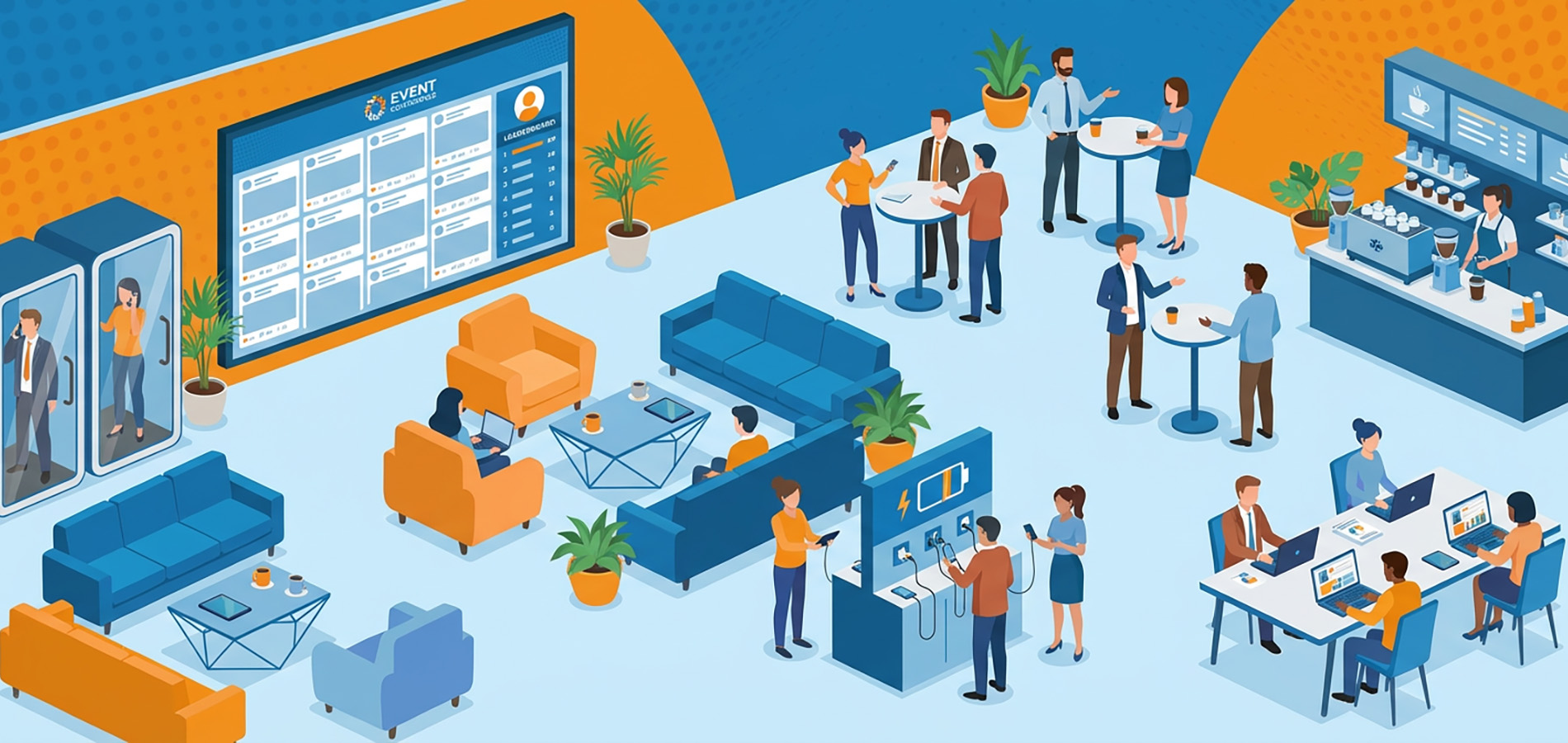
Think about the best conference you’ve ever attended. What made it memorable? Chances are, it wasn’t a keynote speech or a breakout session. It was a conversation you had in the hallway. A connection you made over coffee. A quiet moment to recharge before diving back in.
These moments don’t happen by accident. They happen in spaces designed for them.
Event lounges are where real networking takes place. They’re where attendees escape the noise of the expo floor, catch up on emails, and strike up conversations that turn into partnerships. Yet most event planners either skip lounges entirely because of budget constraints or throw together a few chairs in a corner and call it a day.
A well-designed conference lounge doesn’t have to drain your budget. In fact, it can pay for itself through sponsorship. Sponsors are hungry for opportunities that go beyond logo placement, and attendees love spaces that make their experience better.
This guide covers both sides of that equation. You’ll learn what makes an event lounge worth visiting and how to package those elements into sponsorship opportunities that get a quick “yes.”
Why Attendees Love Lounges (And Why Most Events Get Them Wrong)
 Conference sessions are structured. Expo halls are chaotic. A networking lounge sits somewhere in between, offering attendees a space that’s neither too rigid nor too overwhelming.
This “third space” concept matters because it’s where serendipitous connections happen. When people are relaxed and unhurried, they’re more open to conversation. They notice the person sitting next to them. They have time to follow up on something interesting they heard in a session.
Research backs this up. According to the 2025 Freeman Trends Report, 51% say that successful networking is reason enough to return to an event. But structured networking events often feel forced. A well-designed lounge lets connections happen naturally.
Where Events Go Wrong
Most event lounges fail because planners don’t treat them as intentional spaces. Common mistakes include:
Treating the lounge as overflow seating. Random chairs scattered in a hallway aren’t a lounge. They’re a waiting area. Without intention behind the design, attendees won’t linger.
Making the space too sterile. Fluorescent lights, hard plastic chairs, and blank walls don’t invite people to stay. If your lounge feels like a DMV waiting room, expect similar energy from attendees.
Hiding it in a hard-to-find location. A lounge tucked in a basement corner won’t get foot traffic. Location matters as much as design.
Offering no reason to stay. If there’s nothing to do in the lounge, why would anyone spend time there? Without amenities like charging stations, refreshments, or comfortable seating, attendees will pass through instead of settling in.
What Attendees Actually Want
When surveyed, event attendees consistently ask for the same things:
- Comfortable seating that allows for real conversations
- Power outlets (this one appears in nearly every post-event survey)
- A reason to linger, whether that’s good coffee, interesting displays, or a pleasant atmosphere
- Easy access but some separation from the main event noise
When you deliver on these basics, your attendee lounge becomes one of the most talked-about features of your event.
The Anatomy of a Great Event Lounge
 Now let’s get specific. What should you actually include in your conference networking space?
Here’s a breakdown by category:
Seating That Encourages Conversation
The biggest mistake planners make with lounge seating is defaulting to theater-style rows or random chair placement. Neither arrangement facilitates conversation.
Instead, think in clusters. Group seating arrangements so that two to four people can talk comfortably. Mix seating types to accommodate different needs:
- Couches or sectionals for small group conversations
- Pairs of chairs angled toward each other for one-on-one discussions
- High-top tables with stools for quick chats
- Individual chairs with side tables for people who want to work alone
Comfort level matters too. If someone wouldn’t want to sit for twenty minutes, the seating isn’t good enough. Soft furniture also absorbs sound, which helps manage noise levels in busy lounges.
Power and Connectivity
Charging stations are non-negotiable. Ask any event organizer what attendees complain about most, and dead phone batteries will be near the top of the list.
A proper conference work lounge should include multiple charging options: wireless charging pads for convenience, USB ports for versatility, and standard power outlets for laptop users. If your event attracts content creators or media professionals, consider adding ethernet ports for faster uploads.
Make charging accessible. Outlets hidden under tables or behind furniture won’t get used. Visible, clearly marked charging stations draw people in and keep them around.
This is also a natural sponsorship opportunity. Branded charging stations give sponsors visibility while solving a real attendee problem.
Refreshments and Hospitality
Nothing increases dwell time like free coffee.
A refreshment station doesn’t need to be elaborate. Coffee, tea, and water make a significant difference. For events during colder months, hot cocoa or specialty seasonal drinks add a memorable touch.
Light snacks extend visits even further. They don’t need to be fancy. Packaged items, fruit, or simple grab-and-go options work fine.
Self-serve setups reduce staffing costs while keeping the experience casual. Just make sure someone is restocking regularly. An empty coffee carafe sends the wrong message.
Consider sustainability as you plan. Reusable cups, water refill stations, and compostable options align with attendee values and reduce waste.
Work-Friendly Amenities
Many attendees need to catch up on work between sessions. A conference working space should accommodate them.
Include tables with enough surface area for laptops, not just cocktail tables where there’s barely room for a drink. Good lighting matters too. Mood lighting looks nice, but people actually need to see their screens.
If space allows, create distinct zones: a quiet area for focused work and a more social area for conversations. Clear signage helps attendees find what they need.
For attendees who need to take calls, consider adding private meeting rooms nearby or soundproof phone booths. Sleep or relaxation pods are a premium option that can help attendees recharge for the rest of the day.
Digital Engagement and Social Displays
A social wall displaying attendee posts creates energy and gives people something to look at and discuss. When attendees see their own content featured on a big screen, they’re more likely to post again. It’s a small reward that encourages ongoing participation.
Social walls can pull in content from event hashtags across multiple platforms, including X (Twitter), Instagram, LinkedIn, and more. Tools like Everwall’s Event Social Wall make this easy to set up and manage, even without technical expertise.
Beyond attendee engagement, social walls create sponsorship value. Rotating sponsor logos, image overlays, and video content between user-generated posts gives sponsors guaranteed visibility every few seconds. Attendees don’t mind because the sponsor content is integrated naturally alongside posts they want to see.
You can also display the event agenda on these screens, helping attendees keep track of what’s happening next without pulling out their phones.
Photo opportunities round out the digital engagement options. Branded backdrops, interactive displays, or creative installations give attendees content to share and give sponsors additional visibility.
Ambiance and Design
The details matter. Warm lighting instead of harsh fluorescents. Plants and rugs that soften the space. Textures that make a convention center feel less institutional.
Branding should feel integrated, not plastered. A sponsor logo on a pillow or napkin feels natural. Twenty logos covering every surface feels desperate.
Clear signage helps attendees find the lounge. Include it on event maps, in the event app, and on physical wayfinding throughout the venue.
Quick test: Would you want to spend twenty minutes in this space? If not, keep iterating.
How to Turn Your Lounge Into a Sponsorship Magnet
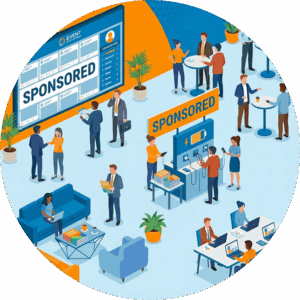 You know what makes a lounge worth visiting. Now let’s talk about how to get sponsors to fund it.
Why Sponsors Should Care About Lounges
Sponsors are tired of logo placements that nobody remembers. Banner impressions last two seconds. A conference lounge offers something different: dwell time.
When attendees spend ten to thirty minutes in a sponsored space, they actually notice the brand. Better yet, they associate that brand with a positive experience. They were comfortable. They charged their phone. They had a great conversation.
This isn’t passive brand awareness. It’s active brand affinity.
Sponsors can also interact with attendees in lounges. A staffed presence allows for product demos, conversations, and relationship building. That’s worth far more than a logo on a lanyard.
Finally, lounges offer measurable results. Foot traffic counts, social media engagement, and post-event surveys give sponsors data they can use to justify their investment.
Sponsorship Elements You Can Sell
Break your lounge into sponsorable components. Here’s what you can offer:
- Naming rights: “The [Sponsor] Lounge” gives top-tier sponsors ownership of the entire space.
- Charging stations: Branded station wraps put sponsor logos exactly where attendees are looking while they wait for their devices.
- Refreshment station: “Coffee bar presented by [Sponsor]” connects the brand with something attendees love.
- Social wall: Rotating sponsor content, logo overlays, and video spots between attendee posts. This is one of the easiest sponsorship placements to justify because the social wall is already a value-add for attendees.
- Furniture and décor: Branded pillows, coasters, napkins, and similar items integrate sponsor presence throughout the space.
- Wi-Fi: A custom login page with sponsor branding reaches every attendee who connects.
- Welcome gifts: Sponsor-provided items for lounge visitors create a tangible brand touchpoint.
- Staffed presence: Space for sponsor representatives to have conversations or demonstrate products.
- Private meeting rooms: Sponsored rooms for one-on-one meetings give attendees additional value.
- Brochure placement: A low-cost option that lets sponsors share printed materials in a relevant context.
Packaging Tips That Get a Yes
How you present these opportunities matters as much as what you offer.
- Bundle rather than itemize: Offer two or three package tiers instead of fifteen line items. Too many options create decision fatigue.
- Lead with attendee value: Frame sponsorship as an opportunity to be associated with the most-loved space at the event. Sponsors want positive associations, not just impressions.
- Quantify the opportunity: Estimate foot traffic, average dwell time, and social media impressions. Real numbers help sponsors justify the expense internally.
- Offer exclusivity: One sponsor owning the lounge is more attractive than five sponsors cluttering it. Premium pricing for exclusive access often works better than discounted co-sponsorship.
- Include deliverables: Photos and videos of the branded space give sponsors content for their own marketing. This extends the value beyond the event itself.
Sample Package Structure
Here’s one way to structure your sponsorship tiers:
Presenting Sponsor
- Exclusive naming rights
- Logo on all lounge signage and event app listing
- Branded charging stations
- Sponsored social wall with rotating logo and video content
- Dedicated space for product display or demo
- Two passes to staff the lounge
Supporting Sponsor
- Logo inclusion on lounge signage
- Branded refreshment station or charging station
- Logo rotation on social wall
- One pass to staff the lounge
Adjust pricing based on your event size and sponsor expectations. The key is creating clear value at each level.
Logistics and Planning Considerations
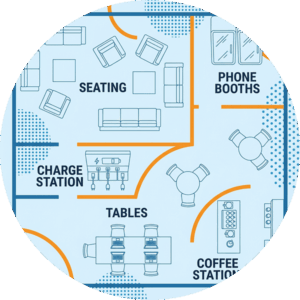 Before you pitch sponsors, make sure you’ve thought through the practical details.
Location Selection
Your event lounge needs to be easy to find but away from the chaos. Near session rooms works well. The middle of the expo floor usually doesn’t.
Include the lounge on all event maps and digital listings. Physical wayfinding signage helps attendees navigate to the space.
Consider noise levels from adjacent areas. A lounge next to a DJ booth or product demo stage won’t feel like a retreat.
Staffing and Management
Decide early whether your lounge will be staffed or self-serve. Self-serve reduces costs but still requires someone to check on restocking and tidiness throughout the day.
If sponsors have a presence in the lounge, set clear expectations about sales tactics. Aggressive pitching ruins the atmosphere. Encourage soft-touch engagement instead. 34% of attendees consider networking “too salesy” as it is, so you can easily ruin the experience.
Space Requirements
Plan for at least 400 to 600 square feet for a meaningful lounge at a mid-sized event. This gives you room for seating clusters, a refreshment station, and charging areas.
For larger events, 800 or more square feet allows you to create distinct zones. A quiet work area, a social conversation area, and a refreshment station can coexist without crowding.
Don’t forget electrical requirements. Charging stations and digital displays need power, and running extension cords across walkways creates safety hazards. Work with your venue on power access during the planning phase.
Budget Considerations
If sponsorship doesn’t cover everything, here’s what to expect:
Furniture rental. Often available through the venue or your AV partner. Get quotes early and compare outside vendors.
Refreshments. Negotiate with venue catering or explore outside vendor options if the contract allows.
Digital displays. Social wall platforms like Everwall start at $49 per day for self-service options, making them accessible for most budgets.
Décor. A small investment in plants, pillows, and lighting goes a long way toward making convention center furniture feel welcoming.
Measuring Success
Track results so you can improve next year and demonstrate value to sponsors:
- Foot traffic counts using manual clickers or sensor-based tracking
- Social media posts using your event hashtag, especially those from the lounge
- Post-event survey questions asking about favorite spaces
- Sponsor feedback on whether the investment felt worthwhile
For more on measuring event success, see our guide on event ROI.
Quick Wins: Lounge Upgrades for Any Budget
Not every event has the budget for a full lounge build-out. Here’s how to make an impact at any price point.
Low Budget
Start with the basics. Add charging cables to existing seating areas. Set up a self-serve coffee station with simple branded signage. Display attendee social posts on a TV using a low-cost social wall tool.
Even a few comfortable chairs and accessible power outlets are better than nothing. And it’s enough to pitch as a sponsorship opportunity.
Medium Budget
Rent comfortable lounge furniture instead of using standard venue chairs. Add a staffed refreshment station. Implement a social wall with sponsor content rotation. Create a photo backdrop for attendee pictures.
This level of investment creates a space that feels intentional and gives sponsors meaningful visibility.
High Budget
Go all out with custom design, multiple zones, and premium amenities. Consider additions like massage chairs, professional headshot stations, wellness corners, or private phone booths.
At this tier, your lounge becomes a destination rather than just a resting spot. Sponsors pay premium prices for association with these experiences.
Start where you are. Even modest improvements to your networking space make a difference in attendee experience and create sponsorship opportunities you didn’t have before.
Making Your Lounge the Highlight of Your Event
 The best conference lounges don’t feel like sponsor activations. They feel like gifts to attendees.
When you design for attendee needs first, something interesting happens. You create a space that sponsors genuinely want to be associated with. The lounge becomes valuable precisely because attendees love it.
Think of your lounge as an experience, not just furniture. Every element should serve a purpose. Comfortable seating enables connection. Charging stations solve real problems. Refreshments extend visits. Digital displays create energy and give attendees a reason to post about your event.
When you get these details right, sponsors notice. They see attendees spending time in the space. They see positive social media mentions. They see the data showing that lounge visitors have higher satisfaction scores than attendees who didn’t visit.
That’s when the sponsorship conversation gets easy. You’re not asking sponsors to pay for logo placement. You’re offering them the chance to own the most popular spot at your event.
Your attendees will appreciate having a place to recharge and connect. Your sponsors will appreciate the quality engagement. And you’ll appreciate the positive feedback in your post-event surveys.
If you’re planning a networking lounge with a social media component, Everwall’s Event Social Wall makes it easy to showcase attendee posts alongside sponsor content. No technical expertise required, and you can have a basic version up and running in minutes. And if you want something custom showing agendas, announcements, and your sponsors in unique ways, we do that too.
Ready to create an event lounge that attendees love and sponsors want to be a part of? Everwall’s Event Social Wall brings your lounge to life with real-time social media displays that engage attendees while giving sponsors meaningful visibility. Set up your social wall today and see why event planners rely on Everwall to create dynamic, sponsor-friendly spaces.
Pretty good, right? Share this with your people.


